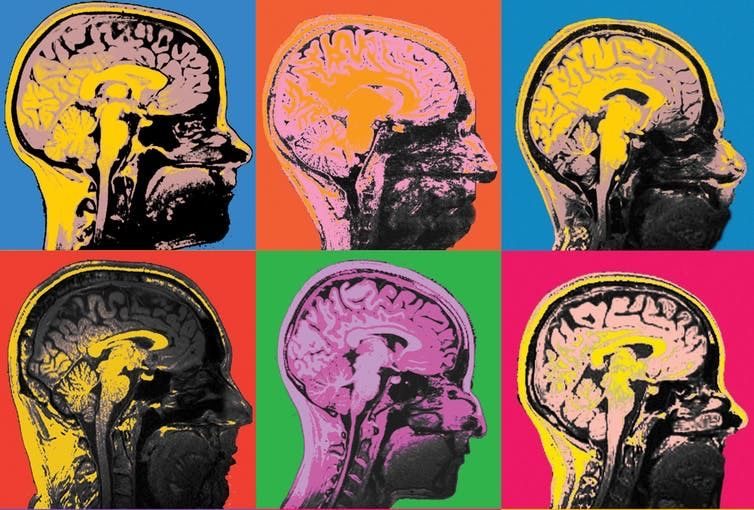

Fashion is far more than a simple industry of threads and needles; it is “a fact of social psychology“. It is a river in constant motion, fueled by the complex internal motives of the human mind. To understand fashion is to understand the environment in which it breathes—a space defined not just by economics or demographics, but by the underlying attitudes and psychological drivers of the consumer.
In this deep dive, we will explore the psychological environment of fashion, focusing on the powerful “reaction to convention,” the eternal paradox of individuality versus conformity, and how the digital age has weaponized these instincts to fuel hyper-accelerated microtrend cycles that turn over on a weekly basis. Finally, we will pivot toward a new form of rebellion: underconsumption. By looking through the lens of a lifelong “underconsumption queen”—my mother—and the “Reduce, Reuse, Recycle” framework, we will discover how to reclaim our personal style from the algorithmic trap.
The Five Pillars of Fashion Motivation
Before analyzing why we rebel, we must understand what drives fashion interest in the first place. The sources identify five basic psychological factors that motivate fashion demand:
- Boredom: People tire of fashions too long in use, leading to restlessness and a demand for change.
- Curiosity: An innate desire for novelty and experimentation keeps fashion demand alive.
- Reaction to Convention: Using dress as an outlet to oppose rigid societal rules or traditional dress codes.
- Need for Self-Assurance: Apparel functions as a “psychological armor,” giving individuals confidence in social or professional settings.
- Desire for Companionship: The urge to belong to a group, which inevitably requires a degree of conformity in dress to signal acceptance.
Reaction to Convention and the History of Rebellion
Fashion serves as a primary psychological outlet for those feeling the pressure of societal norms. Historically, major shifts in silhouettes have not been random accidents but deliberate acts of defiance against the conventional manners of previous generations.
Historical Acts of Defiance
- The 1920s Flapper: This era saw women ditching restrictive S-bend corsets for boxy, loose chemise dresses. This wasn’t just a style choice; it was a rejection of Victorian figures in favor of a “boyish silhouette” that mirrored women gaining the right to vote and taking new liberties like smoking and cursing in public.
- The 1950s Teddy Boys: In post-WWII UK, while adults tried to return to Edwardian styles, teens rebelled by adopting the “Teddy Boy” look—essentially becoming the “original teenage dirtbags” as a way to distinguish themselves from their parents.
- The 1960s Youthquake: The adoption of tie-dye and denim was a direct psychological reaction to the conservatism of the era and the Vietnam War.
Innovations and radical inventions in fashion only gain mass influence when they are ‘blessed’ by the creative class THEN adopted by the youth consumer market.
David Marx, Status and Culture


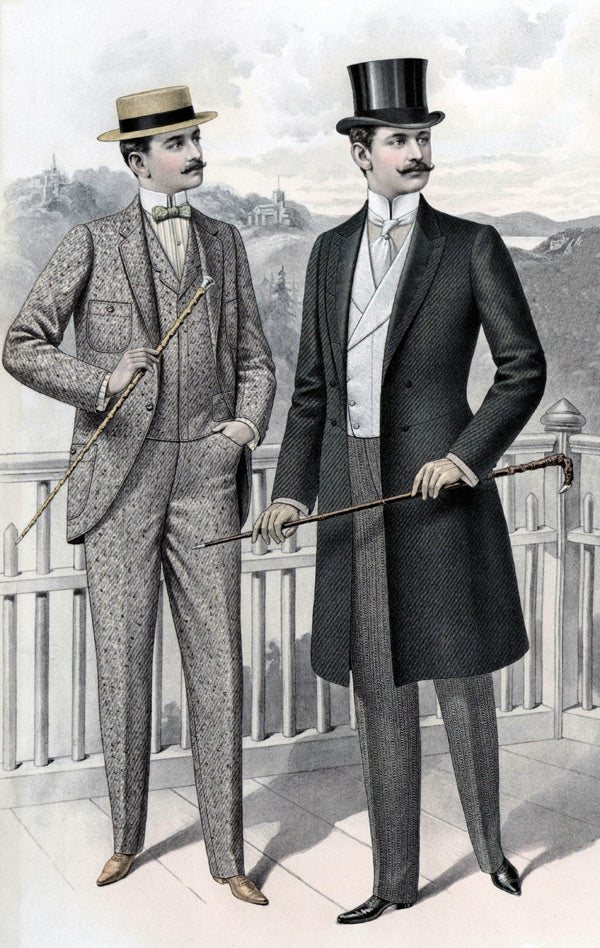
Figure 2. A Reaction to Convention
> A traditional 1890s Edwardian gentleman’s ensemble (left) contrasted with the 1950s/80s ‘Teddy Boy’ subcultural revival (right). The name ‘Teddy’ was a rebellious shortening of ‘Edward’. Images adapted fromHistorical EmporiumandEdwardianTeddyBoy.com.
The Lifecycle of Subcultures—From the Margins to the Mall
The “rebellion lifecycle” follows a predictable path where styles form underground and eventually explode into the national spotlight. It begins in alternative status groups—subcultures or countercultures—that seek to escape“status woes”and express a sense of authenticity (iHeart).
The Mechanics of Fashion Flow
As a rebellious style gains visibility, its adoption follows specific psychological mechanisms of dissemination:
- Upward-Flow Theory: This explains how styles originate among the young in lower-income groups or niche subcultures (like 1990s grunge or hip-hop) and then move “upward“ into higher-income fashion circles as they gain cultural cachet.
- Downward-Flow Theory: Also known as the trickle-down theory, this maintains that a style must first be adopted by those at the top of the social pyramid before it gradually wins acceptance at progressively lower social levels.
Once a radical style is co-opted by ready-to-wear manufacturers and sold in mass-market malls, it loses its original subcultural value as its transgressive qualities are softened or neutralized for the general public. As soon as a fashion becomes “too widely accepted,” it loses its power to grant the wearer a sense of personal distinction, prompting fashion leaders to abandon it and seek the next newest reaction.
The Paradox of Conformity and Individuality
One of the most vexing issues in fashion psychology is the “endless conflict between the desire to conform and the desire to remain apart”(Stone & Farnan 2018).
- The Need for Belonging: We use fashion as a “shorthand mental and emotional code” for acceptance. To dress like the “in-group” provides a confidence boost and a sense of security, reducing the “fear of missing out”.
- The Need for Distinction: Simultaneously, we have an aversion to becoming “just another number”. We add “distinctive touches” to declarations of uniqueness.
This paradox creates the fashion cycle. We adopt a trend to fit in, but as soon as the “majority of a group” uses that style, the “fashion leaders” move on to maintenance of their distinction.

The Digital Trap—Microtrends and the Algorithm
In the past, fashion cycles took years or decades to move from introduction to obsolescence. Today, social media and fast fashion have condensed this timeline into a matter of days.
The Rise of the Microtrend
A microtrend is a styling aesthetic that gains viral popularity on platforms like TikTok and Instagram. Examples include “Clean Girl Aesthetic,” “Mob Wife Core,” and “Coastal Grandparent Core”. Because these trends peak so early, they are usually short-lived, moving from introduction to oversaturation in weeks.
The Role of the Algorithm
Digital culture has turned style into a spectacle based on algorithms rather than personal creativity. Influencers act as the “gatekeepers of acceptance,” convincing us that their aesthetics will make us popular and well-liked.
I believe that personal style doesn’t exist anymore, so you see similar outfits on everyone. We can’t make up our minds. We let everyone and everything inspire our outfits.
Precious Simpson, The Teen Mag.
The Biological Lens—Dopamine and Demand Amplification
Why is the pull of the microtrend so hard to escape? It comes down to basic neuroscience and commercial manipulation.
- Dopamine Culture: The act of browsing, clicking, and receiving a package activates an ancient anticipation cycle in our brains. Microtrends fuel an addictive feedback loop by providing short-term entertainment and gratification (Sbeghen, 2026).
- Demand Amplification: Seeing ubiquitous adoption of a trend online activates a consumer’s “implicit demand“. Implicit demand represents a consumer’s underlying, unrecognized desire for a product that they have not yet consciously considered, which is then activated and transformed into a recognized need when they observe a widespread bandwagon trend. This rational cognitive process makes an item feel like a necessity, which actually reduces our perception of a high price (Chen & Zhuang, 2024).
- Social Contagion: Trends spread like wildfire. The closer we feel to an influencer, the more susceptible we are to this contagion (Sbeghen, 2026).
The Environmental Cost of the “Monthly Performance”
The pressure to conform to these hyper-speed cycles has a devastating underbelly. Fast fashion thrives on the rapid production of inexpensive, low-quality clothing that is discarded after a handful of wears.
Behind every viral “quarter-zip” or pair of jeans is a masked harm: pollution. Fashion production comprises 10% of global carbon emissions—more than all international flights and maritime shipping combined. Furthermore, millions of garment workers work up to 16 hours a day for wages below the poverty line to sustain our “disposable clothing habits”.
Figure 4. The Masked Harm of Hyper-Consumption
Every year, the fashion industry emits more carbon than all international flights and maritime shipping combined, fueled by a relentless cycle of microtrends. Image courtesy of UCLA Sustainability.

Lessons from an Underconsumption Queen
Growing up, I didn’t always appreciate my mother’s philosophy. While I was desperate to be in style like my peers, she was an underconsumption queen before it was a viral trend.
The Psychological Realignment
I used to be embarrassed that my mom wasn’t “stylish” in the conventional sense. She always told me,“If you are never in style, then you can never be out of style.” At the time, this made me upset because I wanted the validation of the popular girls. I hated the hand-me-downs from church friends that felt four years behind the trend.
However, as I started buying my own clothes and experimenting with styling, I realized her wisdom. I began to think outside the box and realized it was actually much cooler to get more use out of my clothes than to mindlessly follow a cycle of abandonment. I learned that loving a piece of clothing is a better reason to buy it than its price tag or its popularity.
The “Love It” Rule
Every time we went shopping, whether at a thrift store or Dillard’s, my mom asked the same question: “Are you in love with it?” She explained that it’s not worth buying a $2 shirt if you only wear it once. The goal is to keep using what you have for a long time. This directly combats“aspirational buying”—the fantasy thinking that a purchase can fill an emotional hole.
The Underconsumption Framework (Reduce, Reuse, Recycle)
To fight microtrend fatigue, we can adopt a structured method of underconsumption that prioritizes sustainability and personal agency.
1. REDUCE: Breaking the Impulse Buy
The best way to be sustainable is to buy less.
- The 48-Hour Rule: Give yourself 24 to 48 hours for the shopping dopamine to settle before committing to a purchase.
- The “Rule of Three” for Versatility: Never buy a piece unless you can mentally form at least three distinct outfits using items already in your closet. This strategy combats the trap of the stand-alone item—something that looks good on the rack but ultimately sits unused because it doesn’t mesh with your current style. Avoiding these one-off purchases ensures that your new addition successfully supplements and updates your existing collection, rather than forcing you into a cycle of buying even more clothes just to make one outfit work
- Carry It Around: If you’re in a store, carry the item for 10-30 minutes. It fulfills (for the most part) that psychological need to have something new without the actual purchase. If you still love it after 30 minutes, it’s a candidate for your wardrobe.
- Event Pre-Planning: Think of great dresses for weddings or events before they are on your calendar. This avoids last-minute impulse buys driven by panic.

2. REUSE: The Art of Clothing Longevity
Underconsumption doesn’t mean having nothing; it means taking care of what you have so it lasts for decades.
- Invest in Maintenance: Read the labels! Invest in laundry bags, clothes shavers, and enzymatic cleaners to prevent pilling and keep fast fashion pieces looking nice longer.
- The Expert Network: Find a good shoe cobbler and a tailor. Repairing a shoe or taking in a waistline is a rational cognitive choice that saves money and the planet.
- Accessories as Reinvention: You can make any outfit feel different with shoes, jewelry, and hair. You don’t need a new dress to have a “new reaction” at a party.


Figure 6. Maintenance as Rebellion
Air-drying garments, as practiced by my mother, the “Underconsumption Queen,” prevents pilling and fiber degradation, ensuring even fast-fashion pieces last for years. Photograph from the author’s personal collection.
Figure 7. The Longevity Toolkit
This set of tools—including wooden pins for air-drying and tennis balls to safely fluff coats in the dryer—represents the shift toward intentional styling. Not pictured but equally vital is the use of enzymatic cleaners to remove stains without damaging fabric. Photograph from the author’s personal collection.
3. RECYCLE: Upcycling and Community
When a piece truly feels spent, give it a new life rather than letting it hit a landfill.
- Sentimental Hand-Me-Downs: Sharing or giving clothes to friends and church communities saves sentimental value and builds social bonds.
- Creative Upcycling: Modification doesn’t have to be expensive. Use embroidery, fabric dyes, or paint to modify clothes. My mom always said this requires you to “get off your phone and do something with your hands,” which is a powerful way to reclaim your creativity from the algorithm.
The “Vibe” Shift—Reclaiming Authentic Individuality
As a reaction to the exhausting pace of microtrends, a movement toward “vibes” or an “aesthetic” is emerging. Unlike a trend, which is a sustaining change in preference based on scale, a aesthetic is organic and natural.
A vibe encompasses your history, your hobbies, and your culture—things that cannot be easily copied by an algorithm. Reclaiming your style is an act of rebellion. It is a form of saying, “I can see what you are trying to sell me, and I don’t really care for it”.
Ask yourself: Do I actually like it, or have I just been told to like it?
Conclusion: Breaking the Cycle
The fashion industry is worth billions because marketers have found every way to manipulate our neuroscience and our desire for belonging. However, we have autonomy and agency. Real style isn’t a doesn’t change every month for an audience; it is a personal signature” that should bring you joy.
By following the lessons of the my mother—focusing on what we love, maintaining what we have, and creating with our hands—we can move from being variety vultures to intentional, sustainable stylists. The next time you see a viral must-have on your feed, pause. Ask yourself: “Do I actually like it, or have I just been told to like it?”
Resources Page: Research & Industry Sources
Chen, Y., & Zhuang, J. (2024). Trend conformity behavior of luxury fashion products for Chinese consumers in the social media age: Drivers and underlying mechanisms. Behavioral Sciences, 14(7), 521.
Hester, N., & Hehman, E. (2023). Dress is a fundamental component of person perception. Perspectives on Social Psychology Review, 27(4), 414–433.
Isayama, A. (2025, December 9). Social media, fast fashion erode creativity, lead to conformity. The Campanile.
Marx, W. D. (2025, March 18). From the margins to the mall: The lifecycle of subcultures. Skeptic.
Previti, R. (2023, March 17). Gen Z’s subcultures & niches. NinetyEight.
Purton, C. (2025, October 14). Microtrends: Beacons of expression or conformity? Bexhill 6th Form College.
Sbeghen, J. (Host). (2026, March 30). 401. The psychology of microtrends [Audio podcast episode]. In The Psychology of your 20s. iHeart.
Sicurella, S. (2021, June 18). When second hand becomes vintage: Gen Z has made thrifting a big business. NPR.
Simpson, P. (2024, June 30). Fashion forward: The evolution and conformity of personal style in the digital age. The Teen Mag.
Stone, E., & Farnan, S. A. (2018). The dynamics of fashion (5th ed.). Fairchild Books.
Media Citations Page: Visual Resources
Figure 1: The Corset vs. The Flapper
- Alice Joyce 1926 full crop [Photograph]. (1926). Wikimedia Commons. https://commons.wikimedia.org/wiki/File:Alicejoyce1926full_crop.jpg.
- Ives, S. (2012, March 11). French fashion 1910. Susanna Ives. https://susannaives.com/wordpress/2012/03/french-fashion-1910/.
Figure 2: Edwardian Style vs. Teddy Boy Rebellion
- Historical Emporium. (n.d.). 1896 Men’s Edwardian style [Image]. https://historicalemporium.com/cdn/shop/files/sbe-1896-men-01.jpg
- Edwardian Teddy Boy. (n.d.). Farnborough Edwardians 1980s North Camp Railway Station [Image]. https://www.edwardianteddyboy.com/userimages/Farnborough%20Edwardians%201980s%20North%20Camp%20Railway%20Station.jpg
Figure 3: Authentic Individuality in Fashion Leadership
- Romano, P. (2010). Anna Wintour at the 2010 Tribeca Film Festival [Photograph]. Wikimedia Commons. https://commons.wikimedia.org/wiki/File:AnnaWintour-byPhilipRomano.jpg.
Figure 4 & 5: Digital Trap and Microtrends
- How TikTok microtrends are changing fashion. (2025, March 9). The New York Times. https://www.nytimes.com/2025/03/09/briefing/tiktok-microtrends-gen-z.html.
- Pinterest. (n.d.). [Visual representation of era aesthetics]. https://www.pinterest.com/pin/663506957607786943/.
Figure 6: The Masked Harm of Hyper-Consumption
- UCLA Sustainability. (2024). The environmental impact of fast fashion waste [Image]. https://sustain.ucla.edu/wp-content/uploads/2024/02/1440x810_cmsv2_ebbafeac-0391-5179-8b4d-72c682d6c688-7785646.webp.
Figure 7: Thrifting as a Sustainable Rebellion
- Tri-Cities Business News. (2019, September). Interior of a Goodwill retail store [Image]. https://www.tricitiesbusinessnews.com/wp-content/uploads/2019/09/BTC-Goodwill-inside.jpg.
Figures 8 & 9: Maintenance and Longevity Toolkit
- [Your Name]. (2026). Personal clothing maintenance collection [Photographs]. Author’s Personal Collection.
Figure 10: Sustainable Thrifting and Vintage Fashion
- Sicurella, S. (2021). [Visual analysis of Gen Z thrifting]. NPR.
AI Use Statement
For this assignment, I utilized AI to assist in synthesizing foundational fashion theory with empirical academic research to structure my findings into a comprehensive blog post focused on the psychology of rebellion, conformity, and sustainable underconsumption. While AI supported theme identification, organizational flow, and APA citation management, I have personally reviewed and verified all content against the original source materials and my personal interviews to ensure accuracy, academic integrity, and professional preparedness for class discussion.




Leave a Reply